
Scratch Canvas Guides
Why Cats Scratch Furniture and How to Redirect Them
Scratching is not revenge or bad behavior. It is a normal instinct. The better you understand what your cat has chosen, the easier it becomes to offer a place that works for both of you.
By Tanner and Tara

Theo made our ottoman his personal canvas.
He did not know it was supposed to stay intact. He knew it was sturdy, textured and positioned at a very convenient scratching angle. From his point of view, it was an excellent choice.
It was frustrating. It also made us pay attention.
Theo was not trying to ruin the furniture or teach us a lesson. But his choices were telling us something about the surface, angle and location he wanted.
Once we stopped treating the cat as the problem, the problem became easier to understand. We were no longer trying to stop an instinct. We were looking for a better place for it to happen.
Wild instincts did not disappear at the front door
Domestic cats descend from African wildcats. Scientists are still refining exactly where and when domestication occurred, but our relationship with cats grew partly because they were skilled hunters around human settlements.
The living arrangement changed. The instincts stayed.
That is why a well-fed house cat still watches, stalks, chases, pounces, climbs, marks and scratches. The same animal sleeping upside down in a sunbeam is still working with a behavioral toolkit shaped long before couches and carpeted living rooms existed.
Scratching and play are not bad habits to eliminate. They are normal behaviors that need appropriate places inside a shared home.
Why cats scratch
Scratching does several jobs at once.
It gives them a full-body stretch
Cats pull against a surface to stretch through their legs, shoulders and back. This is one reason they often scratch shortly after waking.
It helps maintain their claws
Scratching removes worn outer layers from the claws. Those small, curved pieces you occasionally find near a scratcher are usually shed claw sheaths, not broken claws.
It marks familiar territory
Scratching leaves both visible marks and scent from the paws. Cats often choose prominent areas where people and animals spend time, including couch arms, doorways, rugs and spaces near windows.
In that sense, scratching is a form of communication, although it is not necessarily a note addressed to you.
It is part of a familiar routine
Cats often return to the same surface, location and time of day. Once a scratching routine becomes established, the object itself can become part of the habit.
The damage may be unwanted. The behavior itself is normal.
Why your couch makes sense to your cat
Your cat probably did not choose the couch because it was expensive.
They may have chosen it because it is:
- Stable enough to pull against
- Covered in a satisfying texture
- Tall enough for a stretch
- Positioned in an important part of the room
- Conveniently located near a sleeping or gathering area
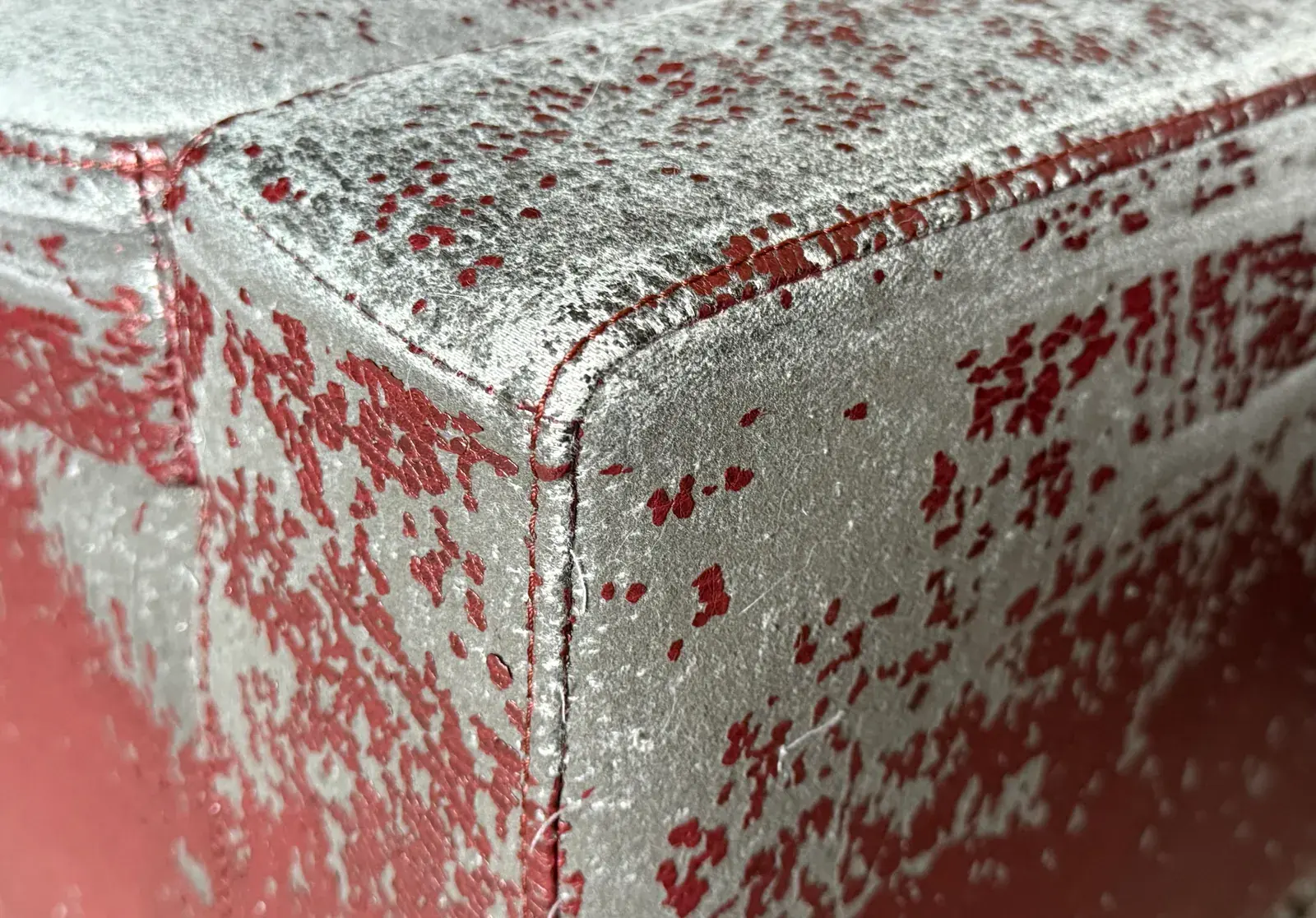
Your cat has not read the care label. They have evaluated the functionality.
That is annoying. It is also useful information.
Before buying another scratching post and hoping for the best, look at what your cat is already choosing.
Are they reaching upward or scratching along the floor? Do they prefer carpet, woven fabric, wood or another texture? Is the surface vertical, horizontal or angled? Do they return to it after waking or when passing through a particular room?
Your cat has already left clues. Use them.
How to redirect the scratching
1. Study the scene before choosing a scratcher
Pay attention to the surface, angle, location and timing.
A cat reaching high along a sofa may want a tall vertical post that allows a full-body stretch. A cat working across a rug may prefer a flat scratcher. A cat pulling at the corner of an ottoman may enjoy a sturdy surface positioned at an angle.
Let your cat’s habits guide what you try next.
2. Match the surface to the evidence
Offer an orientation and texture similar to what your cat already uses.
If they scratch horizontally, try a flat option. If they stretch upward, offer something tall and stable. If they choose woven furniture, look for a textured scratching material rather than a smooth surface.
There is no single style every cat prefers. Offering more than one orientation can help you discover what works, especially in a home with multiple cats.
3. Put the new option beside the old one
Location matters as much as the scratcher itself.
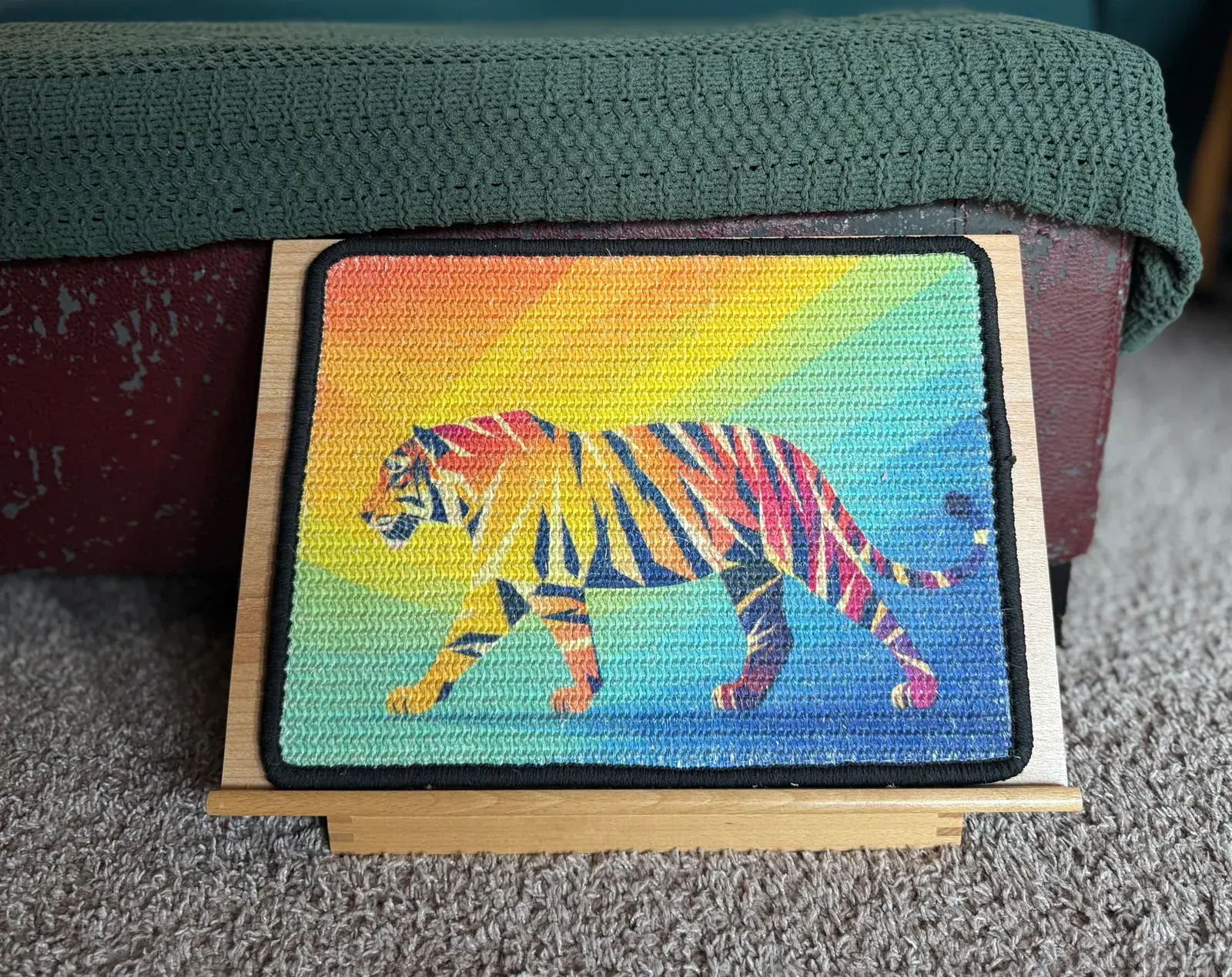
Place the new scratching surface directly beside the couch, rug or other area your cat currently uses. The goal is to make the preferred choice easy at the exact moment they are ready to scratch.
This is not the time to hide the scratcher in a spare room.
Once your cat begins using it consistently, you can experiment with moving it gradually. You may also want a scratching surface near a favorite sleeping area since many cats scratch and stretch after waking.
4. Protect the furniture while the habit changes
Temporarily cover the scratched area with a blanket or purpose-made furniture protector.
This makes the original target less convenient while the new option remains nearby and easy to use. Blocking the furniture without providing a suitable replacement leaves your cat with the same need and nowhere better to put it.
Avoid anything intended to frighten, hurt or physically punish the cat.
5. Invite curiosity and reward the right choice
Encourage your cat to investigate the new surface with a favorite toy, treat, catnip or positive attention. If you use catnip, remember that not every cat responds to it.
When your cat uses the scratcher, reward them right away. That immediate connection helps them understand which choice you want repeated.
Let them approach voluntarily. Do not grab their paws and drag them across the surface. Few of us enjoy being physically introduced to new furniture that way.
6. Give the new habit time
Cats can learn new scratching routines, but consistency matters.
Keep the scratcher in the useful location. Continue rewarding the behavior you want. If the first surface or angle does not work, treat that as information and try another option.
Changing the setup is not starting over. It is part of learning what your cat prefers.
Punishment teaches the wrong lesson
A spray bottle or raised voice may stop scratching while you are standing there. It does not teach your cat where they should scratch.
At best, the cat may learn to wait until you leave. At worst, they may begin associating you with something frightening or unpleasant. Veterinary behavior guidance warns that punishment can increase feline distress and make it harder for a cat to learn a different behavior.
Redirection and positive reinforcement take more patience, but they teach the answer instead of only interrupting the problem.
If your cat’s scratching suddenly increases or appears alongside other unusual behavior, talk with your veterinarian. A noticeable change may be worth evaluating rather than treating as a simple training issue.
A scratcher cannot do every job
Scratching is only one part of a cat’s natural behavioral world.
Cats also need opportunities to watch, stalk, chase, pounce and catch. Short, regular play sessions with toys that move like prey can give indoor cats an appropriate outlet for those hunting behaviors.
Scratching and play support different needs. A scratching surface provides a place to scratch, stretch and mark. Interactive play provides opportunities to stalk, chase and catch.
A thoughtful cat setup makes room for both.
Where Scratch Canvas fits
Scratch Canvas grew from the same lesson Theo taught us: the cat is not the problem.
We wanted to give cats a dedicated scratching surface while creating something we would feel comfortable keeping in the rooms we actually use.
Each Scratch Canvas pairs a textured sisal scratch panel with a wooden easel. The panel arrives installed. Open the easel, choose an angle and place it on a sturdy, level surface. Supervise your cat during the first use.
Begin by placing it near an area your cat already scratches. Invite them to explore it through play or positive reinforcement, then watch how they use it.
Scratch Canvas will not be the right orientation for every cat or replace every scratching surface in the home. A cat that wants a tall, full-body stretch may also need a vertical post. A cat devoted to rugs may prefer something flat.
That is not failure. It is information.
The goal is not to force one product to do everything. It is to understand your cat and make the better choice easy.
If that first week is the part you are wondering about, the next guide covers it directly: how to help your cat use a new scratcher.
Make room for the instinct
Your furniture matters. So does your cat’s ability to behave like a cat.
Respecting that instinct does not mean surrendering the couch. Protecting the couch does not require punishing the cat.
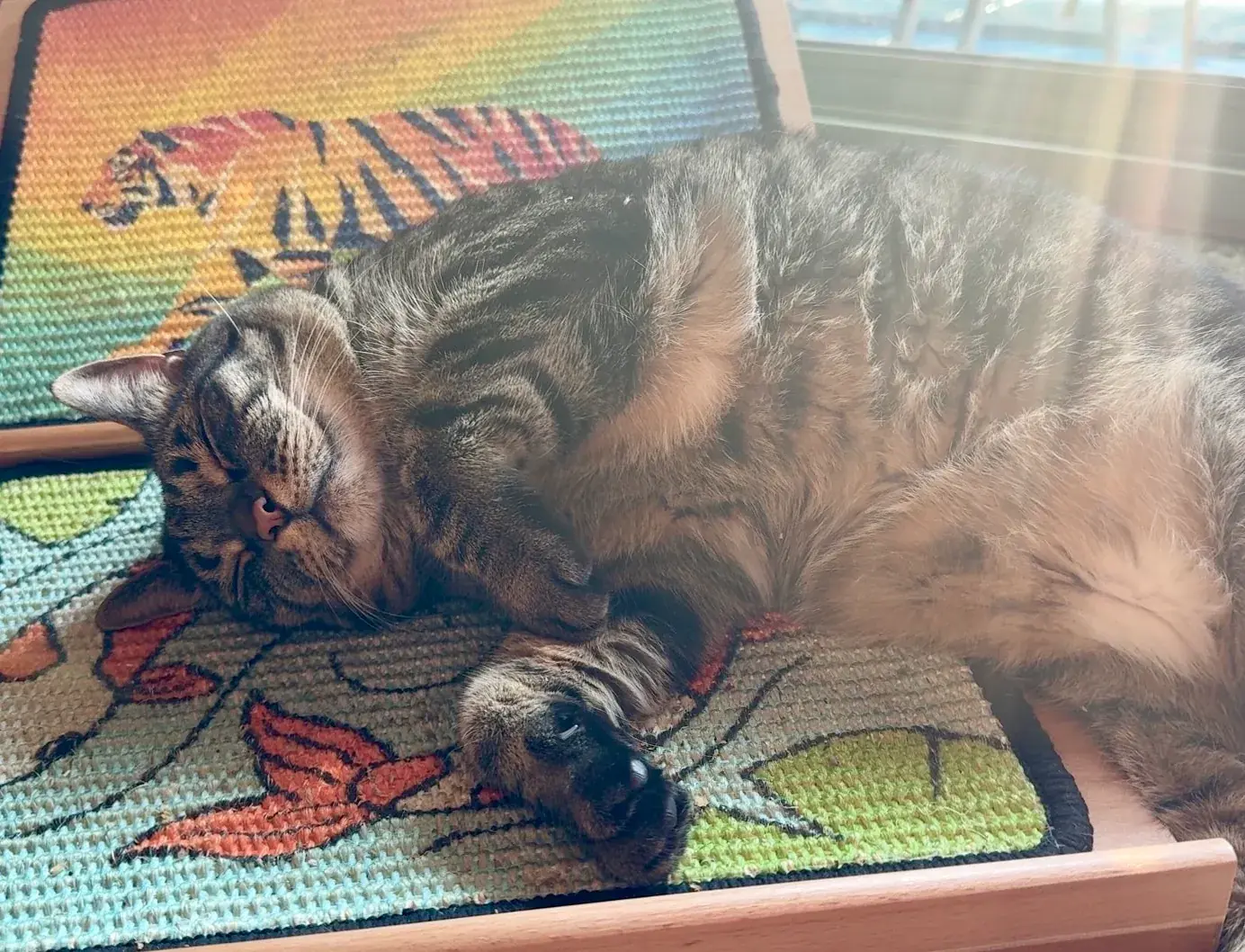
Watch what your cat chooses. Match the surface, angle and placement. Reward the behavior you want. Give the new habit time.
Give their instincts a canvas.
Sources and further reading
- Feline Veterinary Medical Association: Addressing Undesirable Scratching
- Cornell Feline Health Center: Destructive Scratching Behavior
- AAFP and ISFM Feline Environmental Needs Guidelines
- FelineVMA Review of Scratching Research
- International Cat Care: Understanding Hunting Behavior
- Science: The Dispersal of Domestic Cats From North Africa